Types of Deeds in Pennsylvania
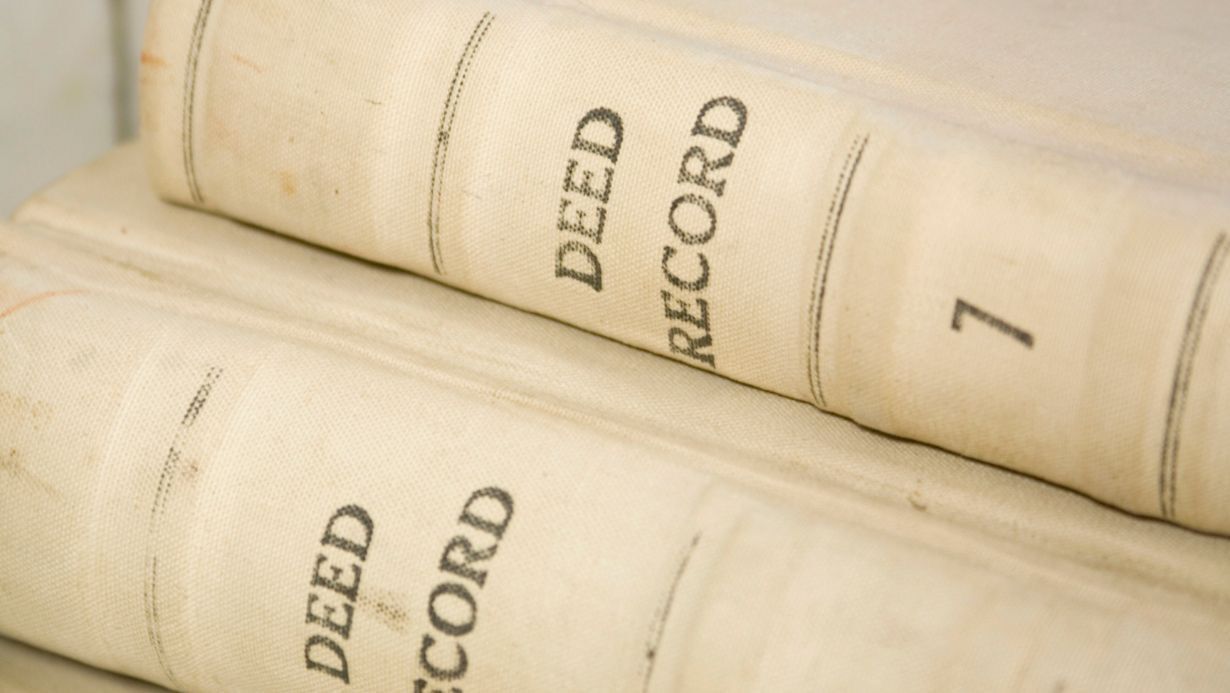
A deed is just a deed, right? Unfortunately, Real Estate Law in Pennsylvania isn’t always that simple. There are several types of documents required for every phase in the process of buying and selling real estate, so it’s no surprise that there is more than one type of deed in PA.
What is a Deed?
A deed is written proof that someone owns a property, and it is used to transfer ownership of a property from the current owner (the grantor or seller) to a new owner (the grantee or buyer). The Pennsylvania Association of Realtors states, “Arguably, the most important document in a real estate transaction is the deed.”.
In PA, all deeds must include the following:
· Name of the grantor
· Name of the grantee
· A legal description of the property
· Signature of the grantor
There are three types of deeds in PA that typically differ based on the type of promises the grantor is making to the grantee, such as the following:
· The validity of the grantor’s ownership
· The grantor’s ability to sell the property
· Promises that there are no liens, easements, etc.
PA Deed Types:
General Warranty Deeds
A general warranty deed provides the highest level of protection to the grantee. It ensures that the grantor holds a clear title to the property, has no outstanding mortgages, debts, liens, or encumbrances on the property now and from all previous owners of the property, and that there will be no future claim on the title of the property.
Special Warranty Deeds
While a general warranty deed promises that the property has no outstanding mortgages, debts, liens, or encumbrances on the property now and from all previous owners of the property, a special warranty deed only promises this to be true during the period the grantor owned the property. Most lenders will require a warranty deed before granting any financing for the property.
Quitclaim Deeds
A Quitclaim deed provides the lowest level of protection to the grantee. It only transfers an ownership interest from the grantor to the grantee. It does not guarantee that the property is without outstanding mortgages, debts, liens, or encumbrances. This type of deed is most often used in non-sale transactions, such as transfers between spouses or to children.
Avoid Costly Real Estate Mistakes
Beyond the different types of deeds, there are many components to any real estate transaction. It is easy to miss important details or misunderstand essential information on legal documents or contracts if you are not familiar with real estate law. Potential issues include statutory and regulatory requirements, unpaid inheritance tax, liens or judgments against the seller, restrictions on the use of the property, unsatisfied mortgages, and rights of refusal.
Contact Us
The best way to avoid costly real estate mistakes is to work with one of the experienced Real Estate Attorneys at Bingaman Hess. Give us a call today at 610.374.8377 or find us online.
News & Information